India’s Gas Sector Faces Rising Pressure as Prices Surge and Demand Shifts
India’s natural gas industry is navigating a turbulent period of evoplay casino as global energy dynamics push prices higher and domestic demand undergoes notable changes. The government’s ambitious target to increase the share of natural gas in the country’s energy mix to 20% by 2025, up from just 11% in 2010, now faces significant challenges. Rising international LNG prices, coupled with limited domestic production growth, are placing pressure on the government, energy companies, and consumers alike.
The Petroleum Planning and Analysis Cell (PPAC) recently set the domestic natural gas price at $6.99 per million British thermal units (MMBtu) for October 2025. While this pricing mechanism aims to provide some stability for domestic users, analysts warn that the measures may not fully offset the impact of rising global LNG rates. Many industrial users are already feeling the squeeze as operating costs climb, which could have a ripple effect across manufacturing, electricity generation, and transportation sectors.
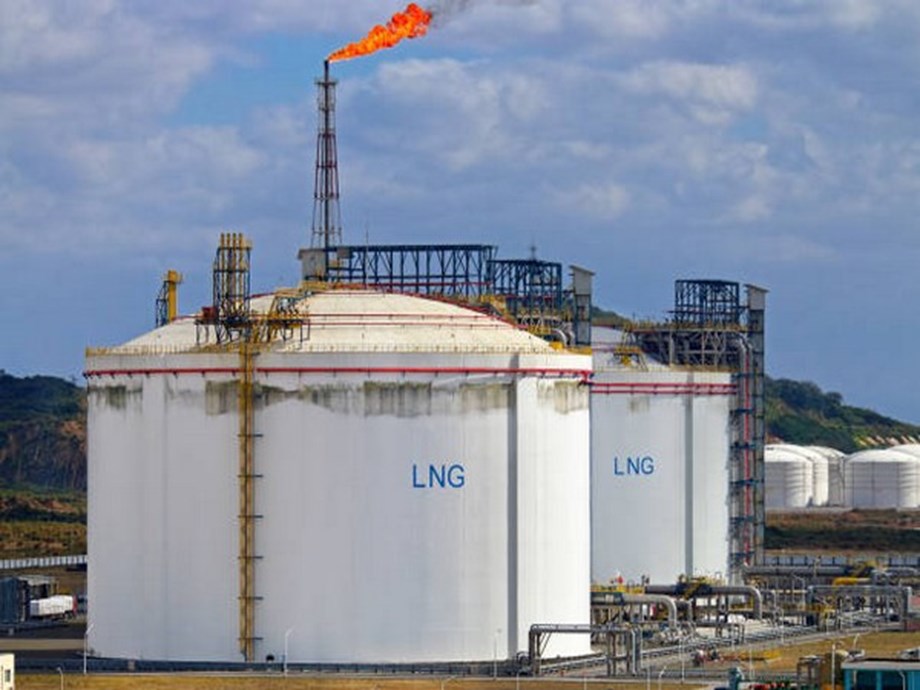
India’s liquefied natural gas (LNG) imports have seen a contraction over the first eight months of 2025, falling by approximately 10% compared to the previous year. Buyers are reportedly holding back purchases, anticipating that upcoming domestic production initiatives and new import contracts could help moderate prices in the near future. Meanwhile, government and state-owned companies are taking steps to bolster the domestic supply chain. Oil India Limited (OIL) and GAIL (India) Limited have entered into partnerships and agreements designed to improve natural gas distribution networks and ensure better access to key demand centers across the country.
Despite these initiatives, the high cost of LNG imports remains a major concern. As India continues to pursue its clean energy and carbon reduction goals, balancing energy security, affordability, and the transition to greener fuels will be a delicate challenge. Industry experts emphasize that enhancing domestic gas production, expanding pipeline infrastructure, and diversifying import sources are critical to achieving long-term stability. With global markets in flux, India’s natural gas sector will remain a key focal point for policymakers, energy companies, and consumers alike.
The coming months will be crucial in determining whether India can manage the twin pressures of high energy costs and ambitious clean energy targets, as the nation works to secure a sustainable and affordable energy future.